Top Rated Saltwater Rods
Best Fishing Rods for First-Time Anglers: Affordable Choices for First-Time Anglers
Picking the right fishing rod is crucial for beginners. Affordable options can deliver both performance and durability. Comprehending the different types of rods and their key features is essential. Several models cater specifically to new anglers. These options promise to improve the fishing experience without breaking the bank. The journey into fishing equipment begins here, leading to decisions that can greatly impact success on the water.
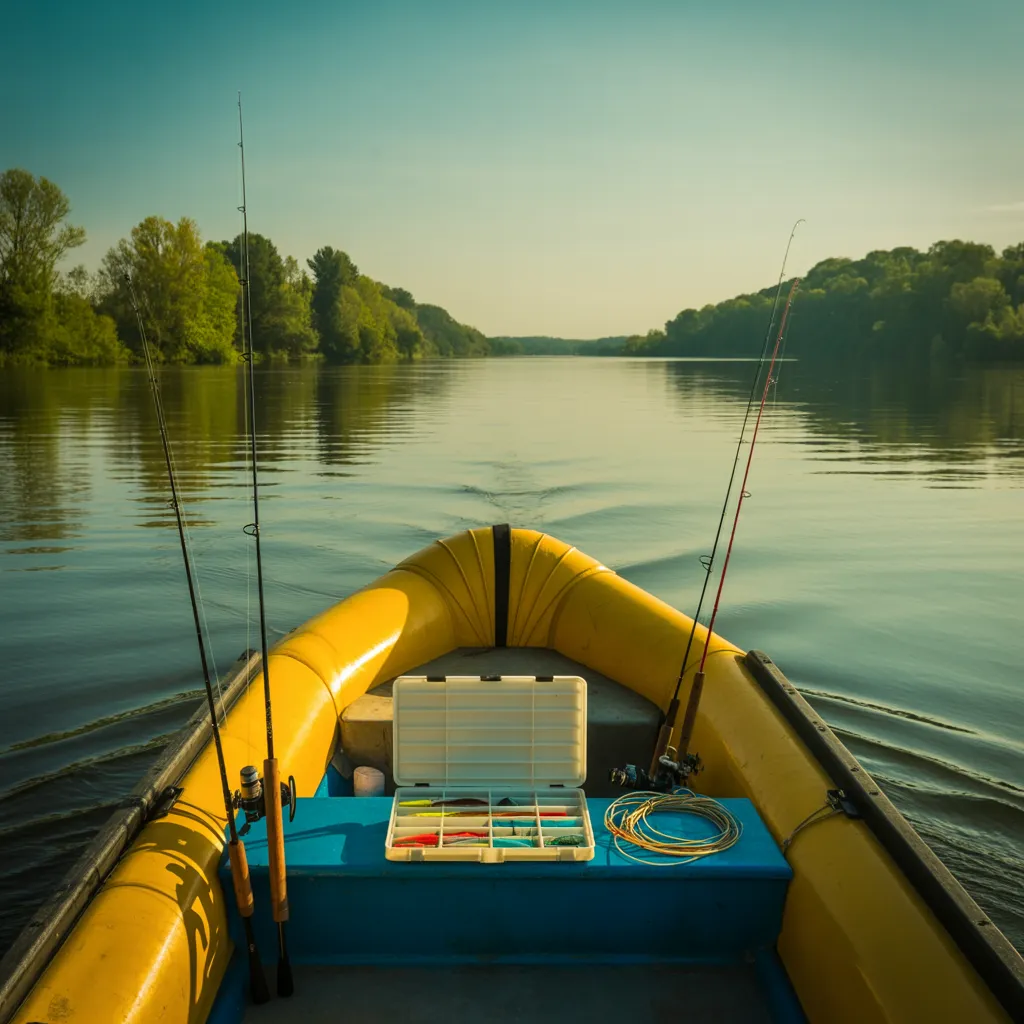
Comprehending Fishing Rod Types
Fishing rods come in various types, each built to serve specific fishing methods and settings. Spin rods are flexible choices perfect for novices, suitable for both freshwater and saltwater fishing. Casting rods, distinguished by their shorter lengths and heavier action, perform exceptionally when targeting larger fish species with precision. Fly rods, designed for the art of fly fishing, possess a lightweight structure that enables delicate casting of artificial flies. Ice fishing rods are briefer and firmer, tailored for application in cold conditions, while telescopic rods provide convenience, retracting expert advice for convenient movement. Surf rods, created for beach casting, are longer to cast farther into the ocean. Each type of rod fulfills a distinct function, making it important for newcomers to understand their options based on their fishing goals. Choosing the right rod type can significantly improve the fishing experience, assisting with skill development and enjoyment.
Key Features to Look For
In choosing a fishing rod, multiple key features play an essential role in ensuring a suitable choice for beginners. Firstly, rod length is imperative; shorter rods provide superior control for close-range fishing, while longer rods offer increased casting distance. Secondly, the rod's material determines both weight and sensitivity; fiberglass is usually more budget-friendly and durable, while graphite delivers improved sensitivity and lightweight performance.
Furthermore, the flexibility of the rod, which represents its flexing capability, is essential; fast action rods deliver quick response, while moderate action rods permit more forgiving casting. The power rating, indicating the rod's strength, should match the type of fish targeted to improve performance. Last but not least, the grip type and material should guarantee comfort during lengthy use, as this can significantly shape the fishing experience. By concentrating on these features, beginners can make well-informed decisions that elevate their fishing outings.
Leading Inexpensive Fishing Rods for Starting Anglers
For those just starting their fishing journey, discovering an affordable rod that balances quality and performance is vital. The Ugly Stik GX2 is a popular choice, recognized for its resilience and sensitivity, making it appropriate for multiple fishing environments. The Shimano Solora is another excellent option, featuring a lightweight design and ergonomic grip, well-suited for beginners. Additionally, the KastKing Perigee II offers versatility with its two-piece construction, allowing for easy transport without compromising strength.
For fishermen searching for a affordable spinning rod, the Berkley Cherrywood HD offers outstanding performance and sensitivity at a reasonable price. Lastly, the Penn Battle II combo combines a sturdy rod with a reliable reel, ensuring a flawless fishing experience. Each of these rods offers beginners an efficient and budget-friendly way to start their fishing adventures while guaranteeing they have the tools necessary to excel on the water.
Key Tips for Preserving Your Fishing Rod
After choosing an affordable fishing rod, maintaining it properly is vital for securing longevity and peak performance. Regular maintenance is important; anglers should rinse their rods with freshwater after each use to get rid of salt buildup, dirt, and grime. This basic practice works to prevent deterioration and damage to guide rings and reel seats.
Inspecting the rod for wear or cracks is important as well. Any signs of damage should be addressed immediately to avoid further problems. Furthermore, keeping the rod correctly can extend its life. Rods should be placed in a dry, cool location, optimally in a rod holder or tube to avoid breakage or bending.
Lastly, lubricating moving parts, such as reel gears, can boost functionality. Using the appropriate lubricant ensures smooth operation and decreases wear over time. By adhering to these maintenance tips, novice anglers can use their fishing rods for many seasons to come.
Beginning Your Journey: Key Fishing Gear for Newcomers
Beginning a fishing journey necessitates more than just passion; the right gear is crucial for a successful experience. For beginners, a basic setup includes a fishing rod, reel, line, and tackle box containing essential lures and hooks. A medium-action spinning rod matched with a spinning reel delivers versatility, making it ideal for diverse fishing environments.
In addition, fishing line should correspond to the rod's strength and type. Beginners should also invest in a tackle box to organize essential items, including pliers, a fishing license, and a first-aid kit. Wearing suitable clothing, such as a wide-brimmed hat and polarized sunglasses, enhances comfort and visibility while on the water. Finally, a fishing net can help land catches more successfully. By preparing this essential gear, new anglers can establish a more satisfying and productive fishing experience, paving the way for a lifelong passion.
Popular Questions
What Is the Right Fishing Rod Length for Beginners?
The most suitable fishing rod length for beginners generally ranges from 6 to 7 feet. This length offers a balance of casting distance and control, making it perfect for multiple fishing environments and techniques for inexperienced anglers.
Is It Possible to Use a Spinning Rod for All Forms of Fishing?
A spinning rod is versatile enough for different fishing types, including both freshwater and saltwater applications. Its versatility makes it suitable for targeting different species, but specific conditions may require specialized gear for peak performance.
What's the Best Way to Pick a Fishing Reel for My Rod?
Choosing the right fishing reel involves matching its size and weight to the rod's specifications, evaluating the type of fishing planned, and ensuring compatibility with the line and lures typically used for peak performance.
What Is the Difference Between Freshwater and Saltwater Rods?
Freshwater fishing rods are engineered for lighter equipment and smaller catches, while saltwater variants are engineered to endure corrosion and deal with larger, more formidable species. The materials and build quality vary significantly to accommodate the unique demands of each environment.
How Often Do I Need to Replace My Fishing Rod?
A fishing rod needs replacement when it displays considerable wear indicators, including cracks or breaks, or when performance diminishes. Consistent evaluations can help identify when replacement is required for superior fishing experiences.